The "Microorganisms in the ZOO – Discovering the Invisible Inhabitants" Project
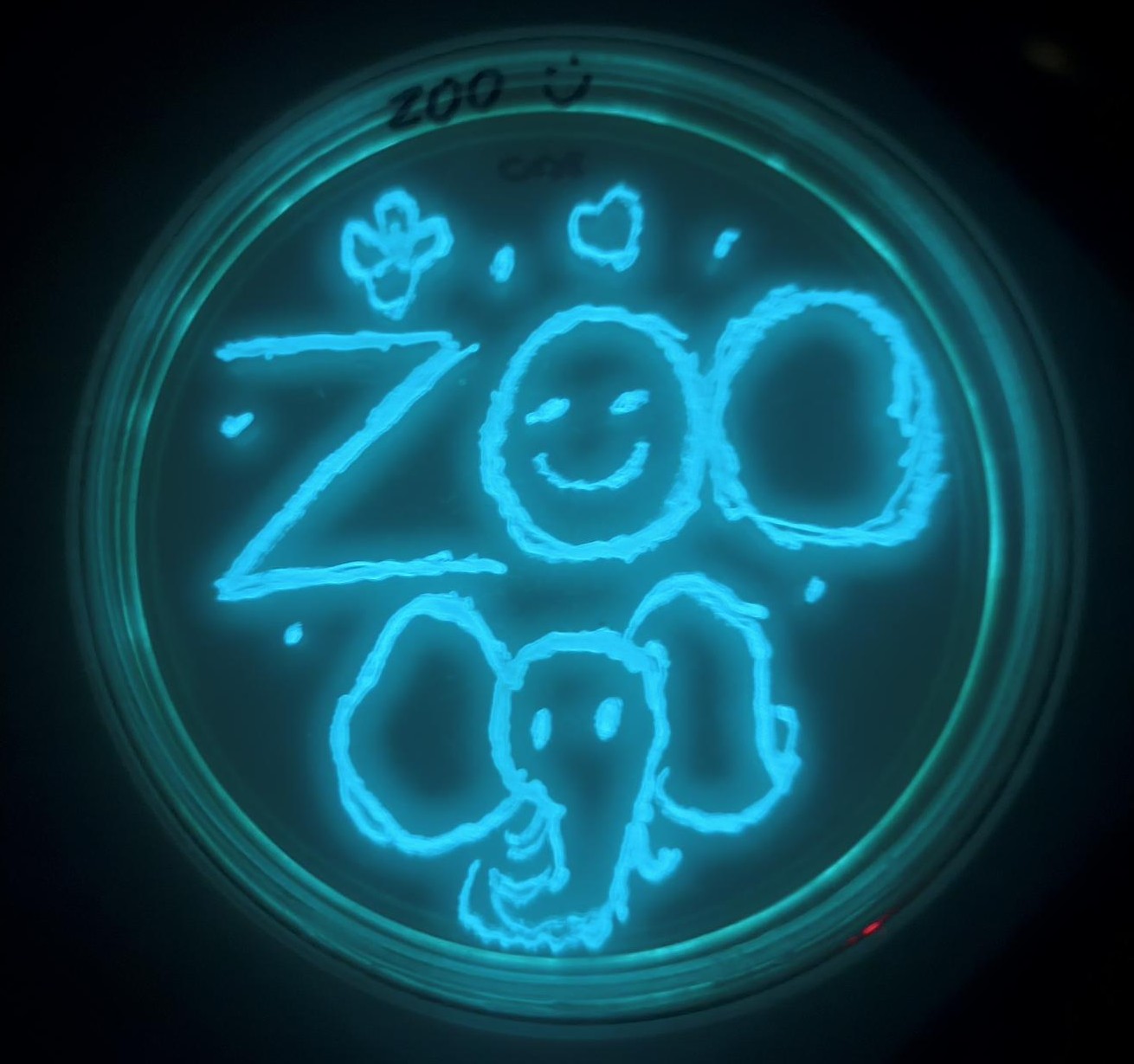
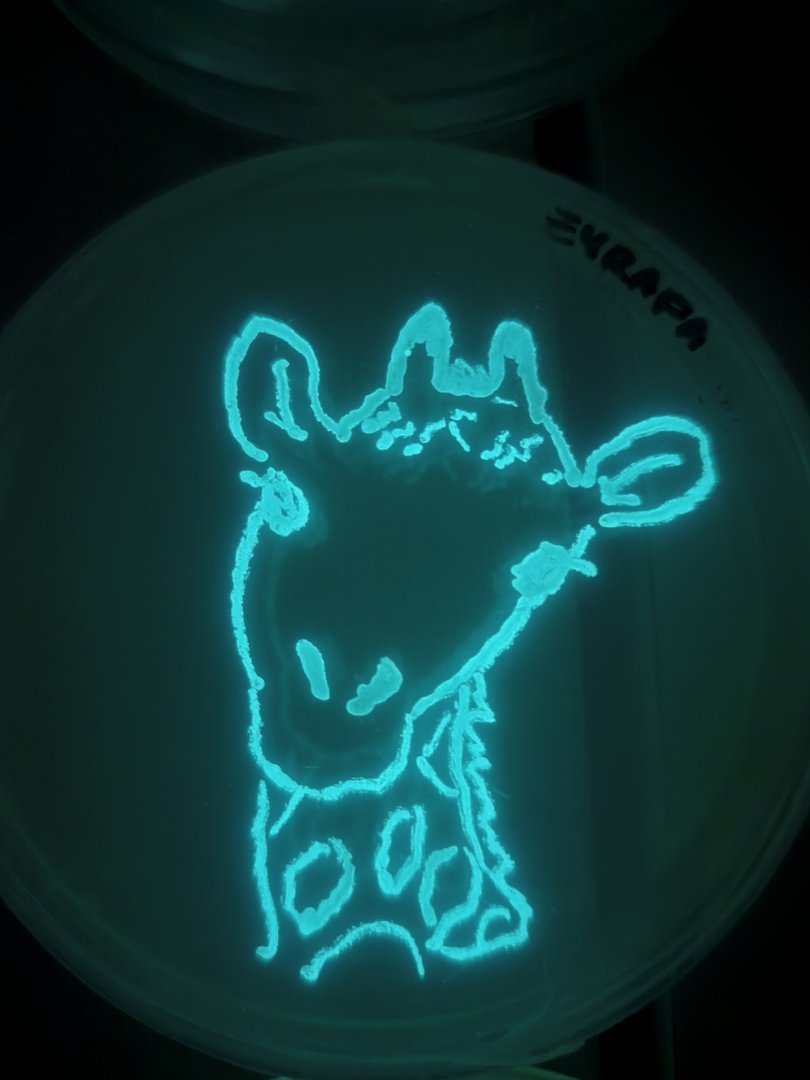
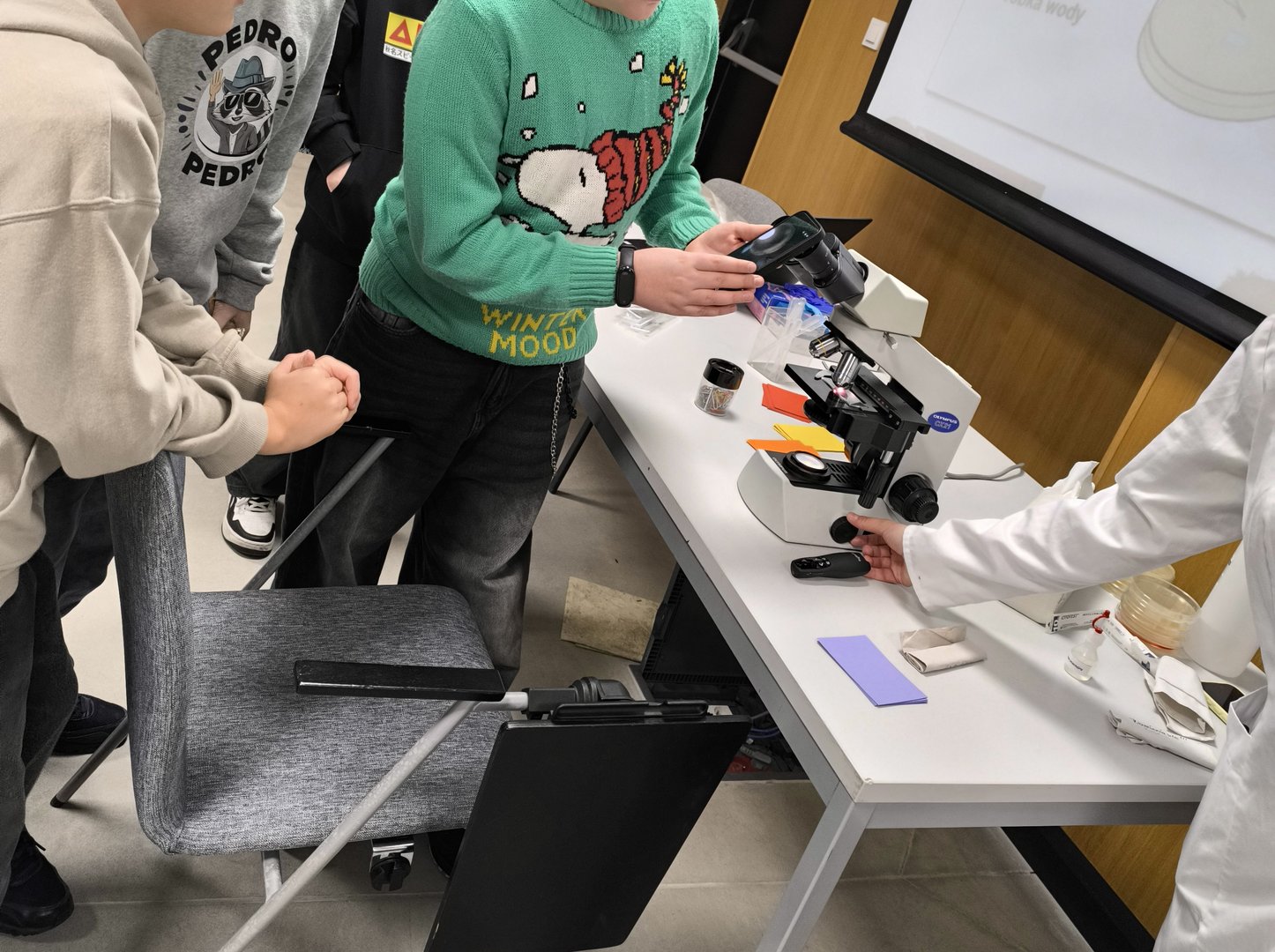
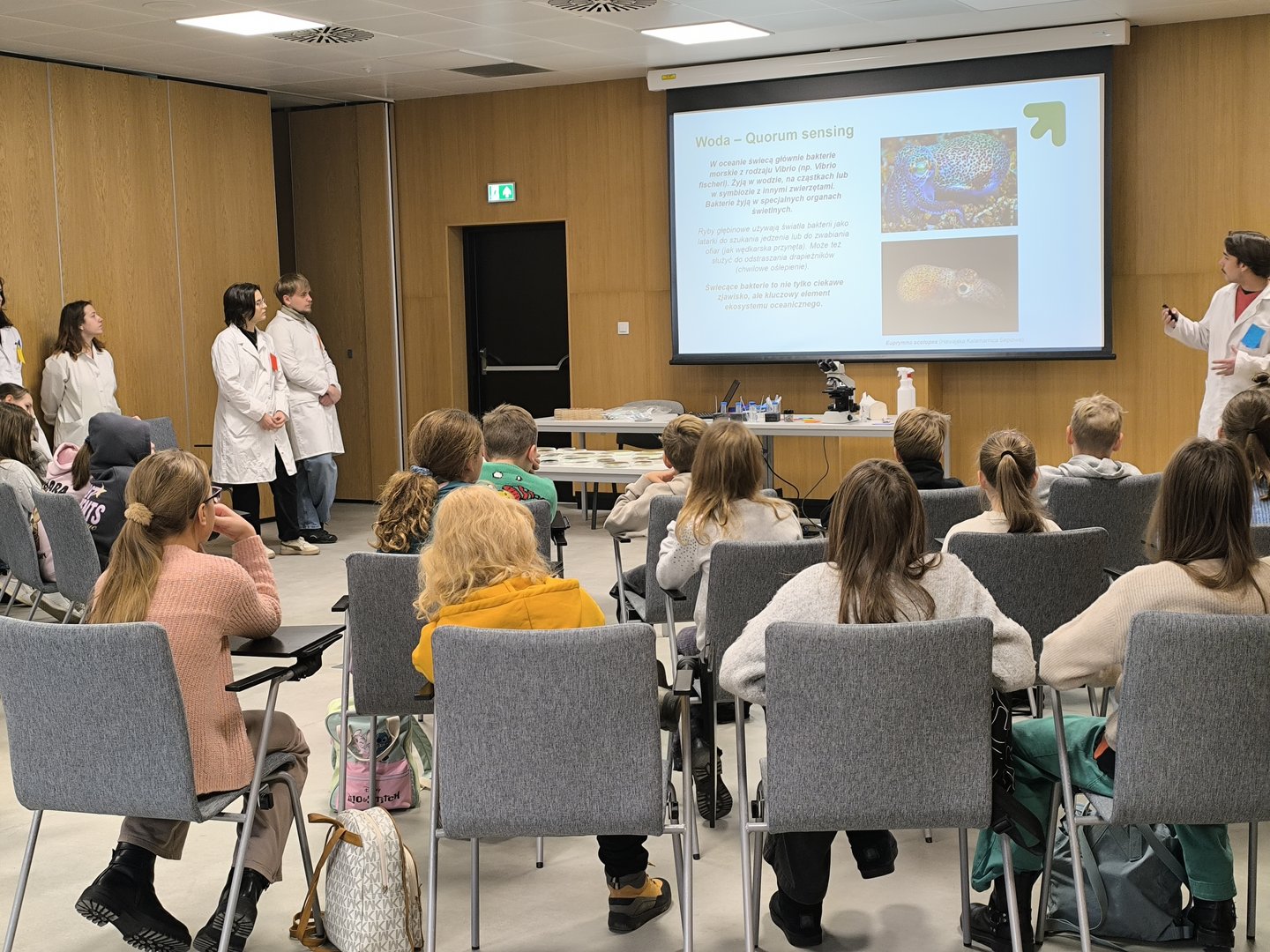
The project, carried out by researchers and students from the University of Lodz and the University of Zagreb, assumes regular meetings with organised groups, primarily schools, held at the Zoo Orientarium, as well as science picnics organised at the Orientarium. The meetings will include interactive presentations introducing participants to the topics of microorganisms, their biodiversity, their importance for animals (e.g., bioluminescent bacteria) and environmental protection.
The lack of public awareness of microorganisms and their crucial role in ecosystems and daily life is the main challenge addressed by the "Microorganisms in the ZOO – Discovering the Invisible Inhabitants" project. People often focus on visible animals, while microorganisms remain largely invisible and misunderstood, leading to misunderstandings and missed educational opportunities. Another challenge is engaging young audiences in science in an accessible and interactive way, making abstract microbiological concepts tangible and understandable.
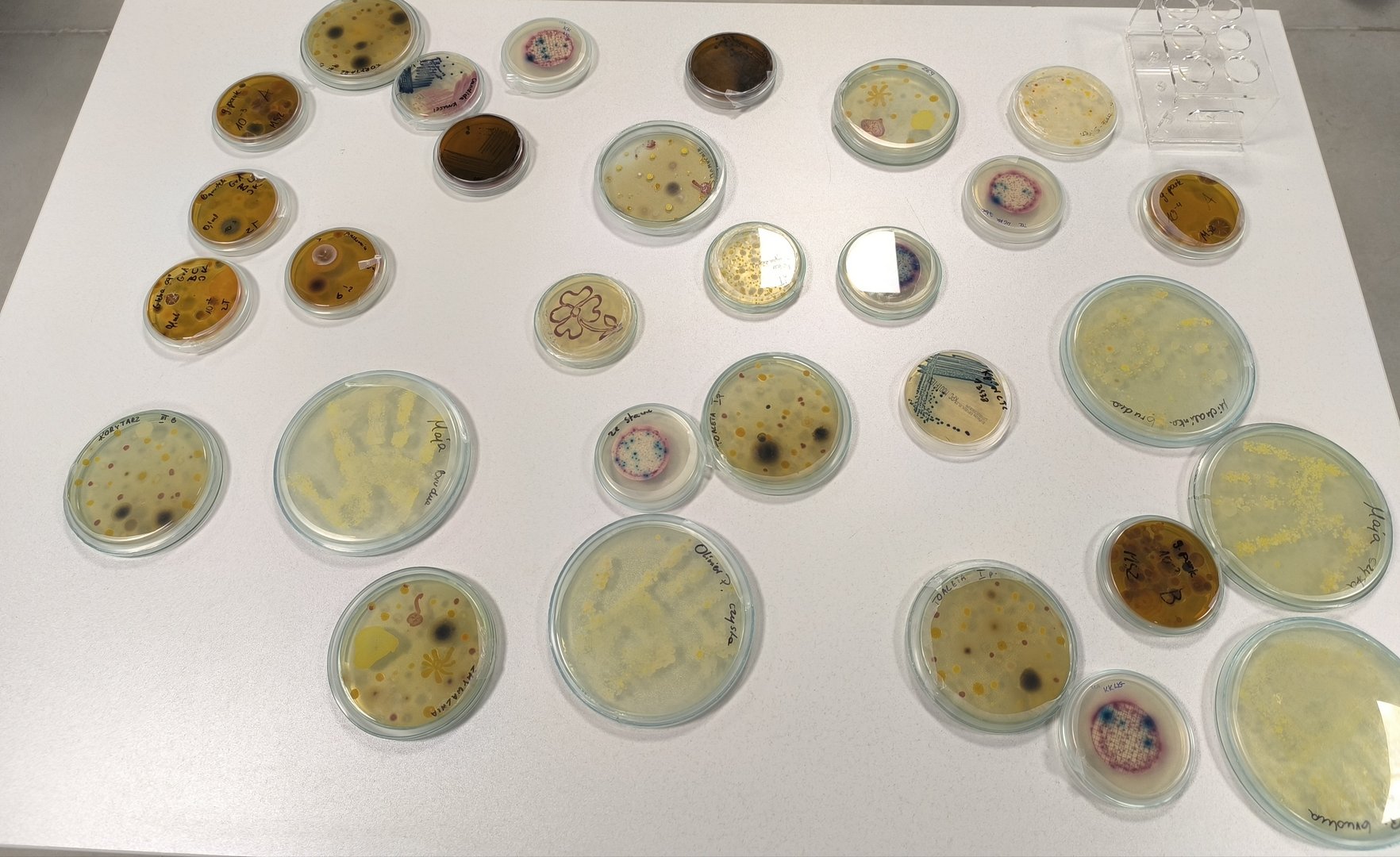
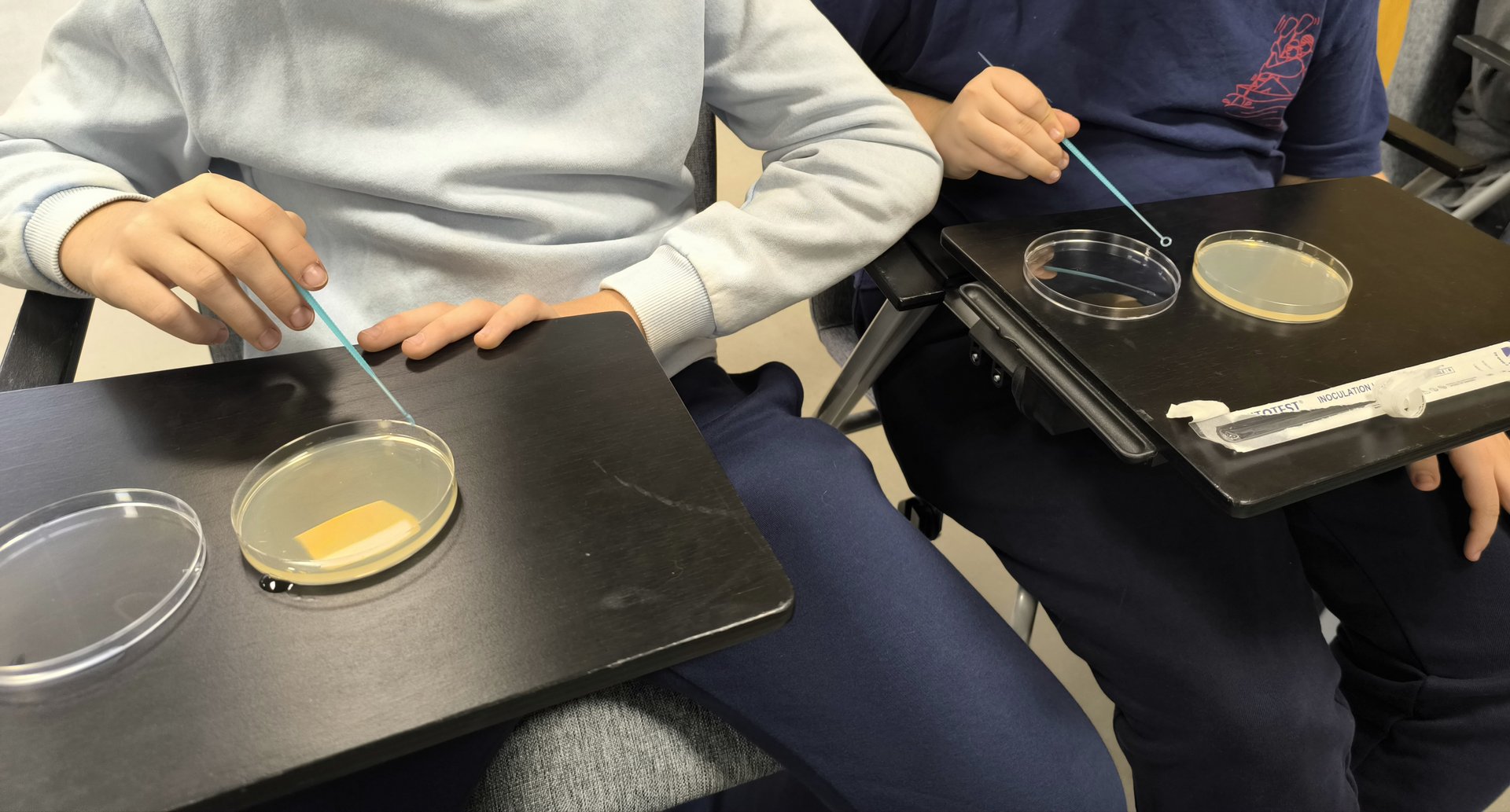
The project will involve researching microorganisms inhabiting the zoo environment by collecting samples, culturing them and analysing the results. This will provide valuable data on microbial diversity in public spaces.
Not only scientific information about the microorganisms living at the Zoo but also educational benefits are the expected results of the project. Children and young people will gain a better understanding of microorganisms, their functions and their importance for nature and human health. The project also aims to strengthen cooperation between the university, the Zoo, and the local community, fostering scientific curiosity and environmental awareness in Lodz.
The project partner, i.e. the Łódź Zoo Orientarium is a modern zoological garden that, since 2022, has been attracting visitors with a unique exhibition of animals from Southeast Asia in the impressive Orientarium pavilion – the most modern facility of its kind in Europe.
The mission of the Orientarium is to protect endangered species, support biodiversity research and participate in international breeding programmes to preserve the gene pool and reintroduce species to their natural habitats. The facility also distinguishes itself with a strong emphasis on experiential learning – interactive exhibits, an underwater tunnel, feeding demonstrations, special workshops and educational events make knowledge accessible and engaging.
The Łódź Zoo Orientarium, thanks to combining science with an attractive form of communication, enables the implementation of educational activities in a unique environment that inspires learning about the world of organisms – in our project: microorganisms.
The "Microorganisms in the ZOO – Discovering the Invisible Inhabitants" project is an important initiative because it draws attention to an extremely important yet invisible part of our world – microorganisms. By examining and presenting microorganisms found in the zoo environment, we will show children, young people and adults an element of nature invisible to the naked eye that plays a crucial role in the health of animals, humans and the functioning of entire ecosystems.
For the partner organisation (the Zoo), these activities represent an opportunity to expand visitors' learning opportunities beyond traditional zoology, adding a new dimension to understanding biodiversity. The displays and workshops will not only support the Zoo's role as a centre for science communication but also engage visitors in an interactive way, making their visit more valuable and memorable.
At the local level, the project supports the development of environmental awareness and scientific curiosity. Inspiring young people to learn about microorganisms and their functions can stimulate future interest in science, medicine and environmental protection. Furthermore, the project strengthens cooperation between the university, the zoo and the local community, demonstrating how academic knowledge can support public education and foster awareness of the importance of microorganisms in nature and human life.
The Project Team
- Dr Małgorzata Siwińska works at the Department of Biology of Bacteria, faculty of Biology and Environmental Protection, University of Lodz. Her research focuses on analysing the production of extracellular polysaccharides (EPS) by lactic acid bacteria and their potential for industrial and environmental applications. She also studies the serotyping of Proteus spp. bacteria and their sensitivity to antibiotics and plant-derived compounds. She is involved in science popularisation and educational activities in the field of microbiology as part of initiatives by the Institute of Creative biology and the Open University (UZO).
- Doc. dr. sc. Lucija Nuskern Karaica is an Assistant Professor in the Division of Microbiology, Faculty of Science, University of Zagreb. She teaches microbiology and virology. Her research focuses on pathogen-host interactions and the molecular aspects of microorganisms. In the project, she is responsible for providing substantive support in the selection of microorganisms as educational objects, as well as scientific and didactic consultations.
- Aleksandra Bortniczuk is a 2nd year MA student of Microbiology, Faculty of Biology and Environmental Protection, University of Lodz.
- Wiktoria Jakubczyk is a 2nd year MA student of Microbiology, Faculty of Biology and Environmental Protection, University of Lodz.
- Kamila Kwietniewska is a 2nd year MA student of Microbiology, Faculty of Biology and Environmental Protection, University of Lodz.
- Antoni Łykowski is a 2nd year MA student of Microbiology, Faculty of Biology and Environmental Protection, University of Lodz.
- Wiktor Zarębski is a 2nd year MA student of Microbiology, Faculty of Biology and Environmental Protection, University of Lodz.
- Magdalena Porzuczek is an MA student of Microbiological Biotechnology, Faculty of Biology and Environmental Protection, University of Lodz.
- Jan Stjepan Franja is a student of the University of Zagreb, Faculty of Science, Department of Biology
- Dr Magdalena Janiszewska is a General Researcher and In-Situ Projects Coordinator – ZOO Orientarium Łódź. Coordinates and supervises the Science Hub UNIC project on behalf of the Orientarium Łódź Zoo.
Science Hub UniLodz (SH) is a collaboration platform at the University of Lodz that connects students, university experts and external entities, supporting them in the implementation of innovative research and implementation projects. Teams operating within the University of Lodz cooperate to address real-world scientific challenges submitted by partner organisations.
The We are UNIC!” project is financed by the European Union under the "Support for European University Alliances" programme, project NAWA FERS.01.05-IP.08-0219/23, amount: PLN 62,705,297.60.